Lighthouse story
The air crash on Kullaberg
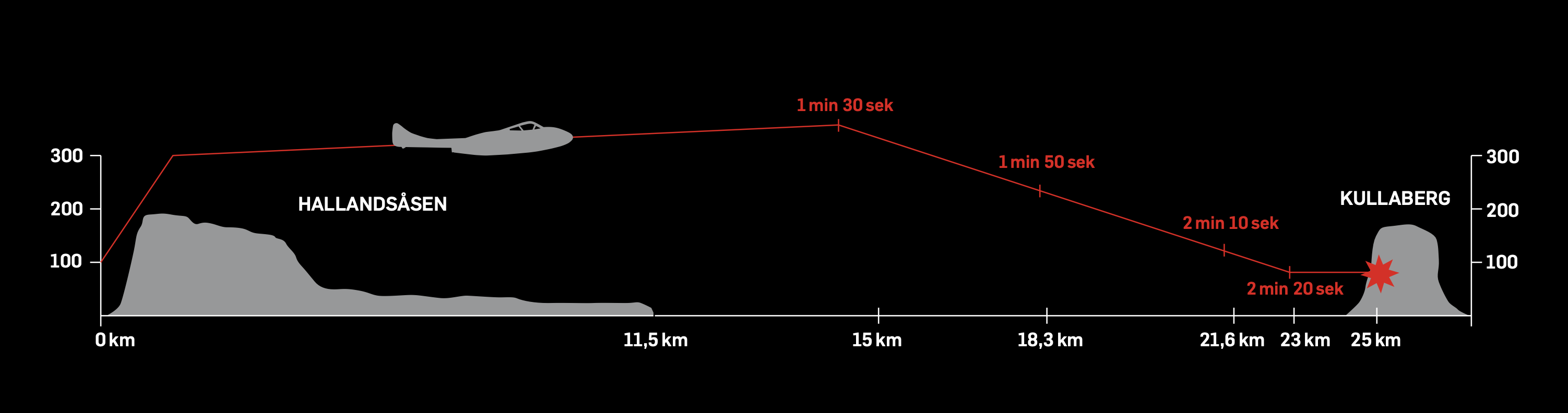
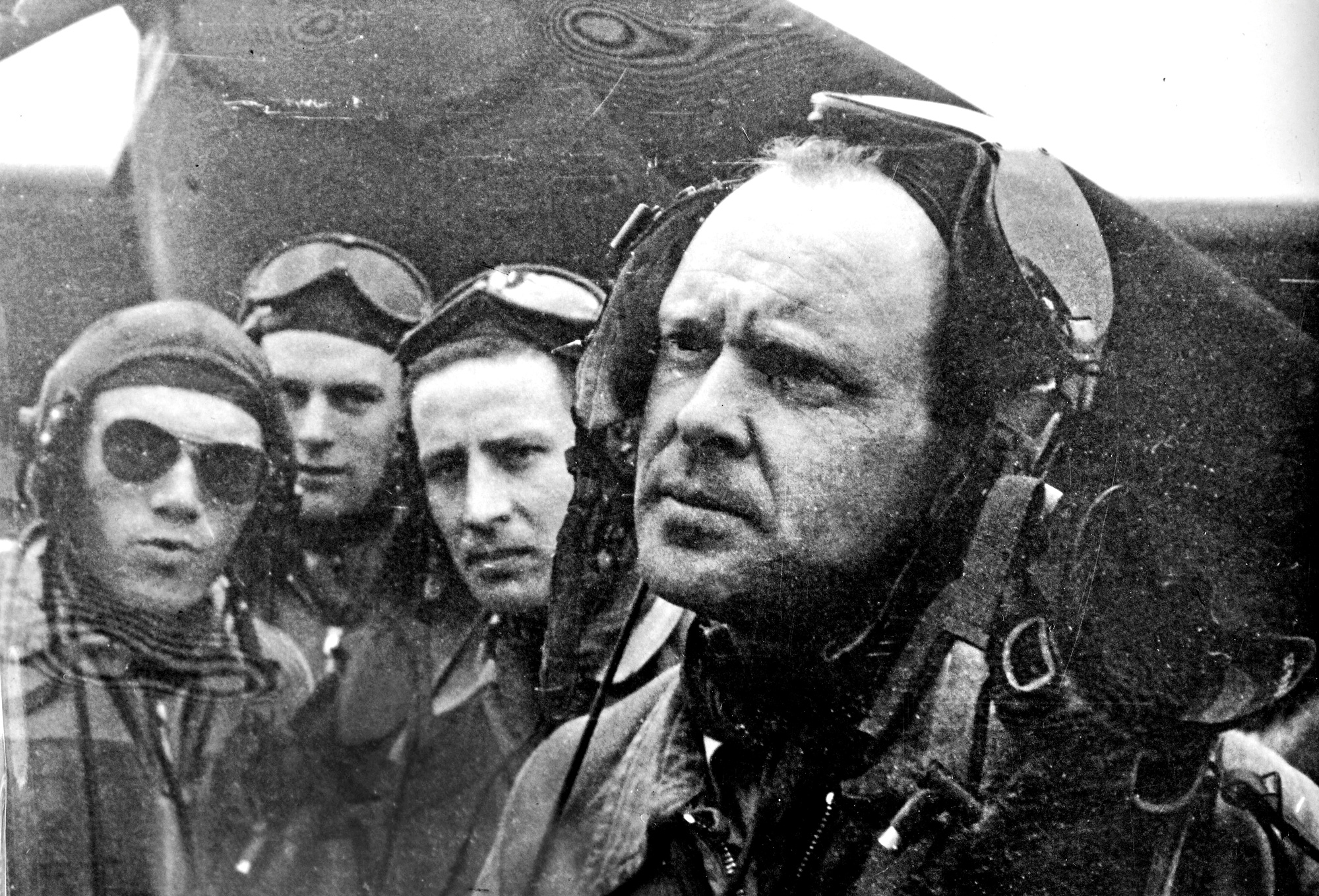
Three groups of A28B Vampires – twelve aircraft – were to take part in an exercise at Revingehed on Sunday 4 March 1956. It was a routine mission, and Captain Ahlqvist, considered F14's most skilful pilot, was to lead the force. For the third day in a row they were to fly the same route: a simple flight from Halmstad to Båstad, then a change of course to 230 degrees over the ridge, descending until they could see the ground, followed by the last five minutes at about 600 km/h at low altitude over Skälderviken towards the target.
The briefing at 06.30 on Sunday morning was more stressful and the weather worse than on the previous two days. At 07.13 a report came from Kullen Lighthouse and lighthouse master Edler that dense fog had suddenly come in over Skälderviken, with sharply reduced visibility, so two groups had to abort. The weather was not, however, considered a problem for the experienced Captain Ahlqvist: the first group, Blue 1, got the go-ahead.
The briefing used both the army's 1:300,000 map and the air force's 1:1,000,000 map. The route was measured on the 1:300,000 map, but the timing was calculated on the 1:1,000,000 map, where 1 minute of flight corresponded to 1 Swedish mil (10 km). Instead of 30 seconds, the flight time became 90 seconds. This unintended mix-up was to decide the men's fate. Nor did any of the pilots or exercise leaders react to the route, which would lead to the north side of Kullen.
At 07.23 the four aircraft take off from F14 Halmstad.
At 07.27 Captain Ahlqvist reports: “Position Båstad – course 230.” He climbs into the clouds to 300 metres and, on the way down to a lower altitude, meets the dense fog. Visibility is about 300 metres, and they are now forced to fly by “dead reckoning” (compass), counting the seconds of flight time.
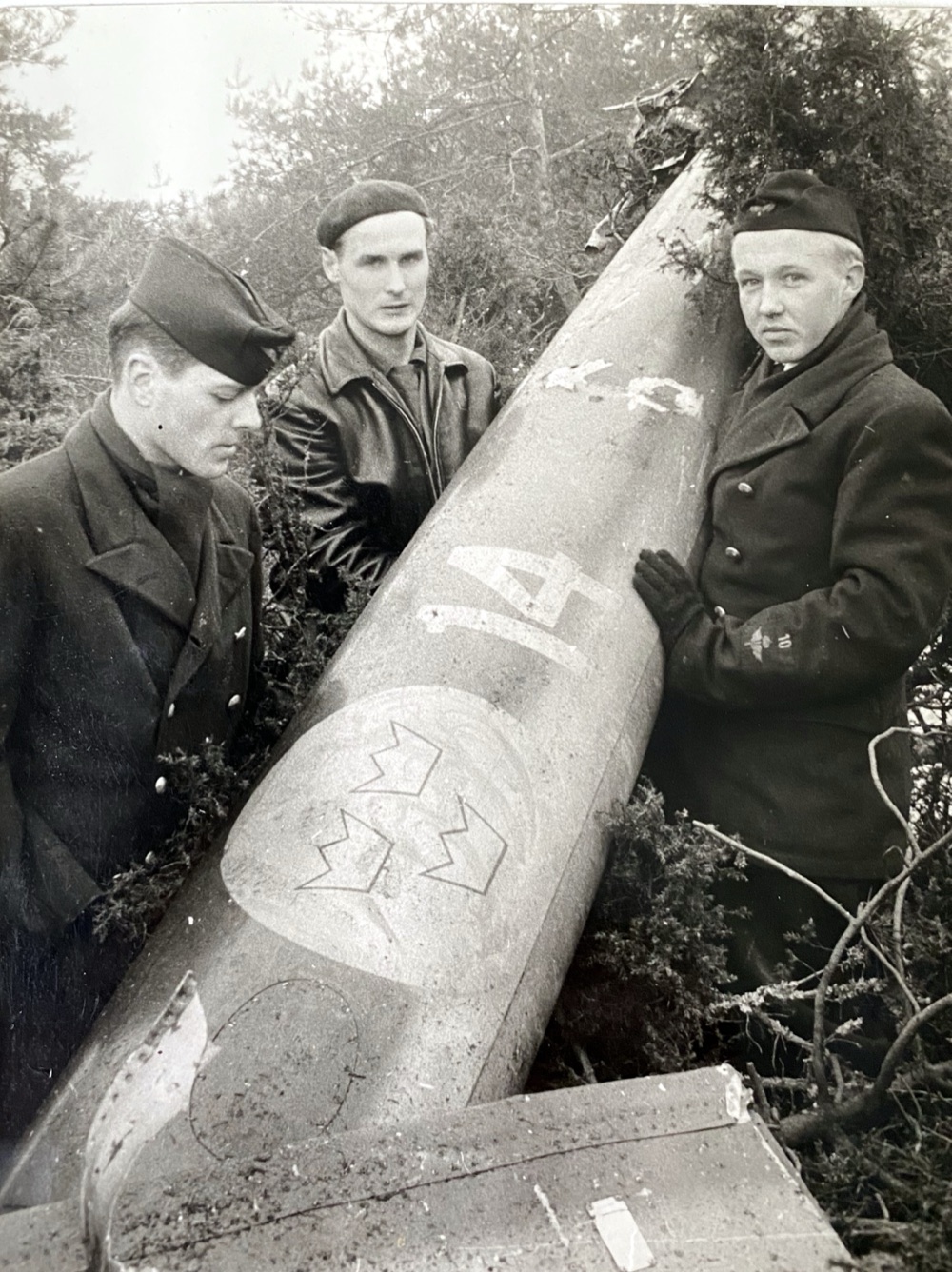
At 07.29 Captain Ahlqvist reports: “I can see the ground” – but the group's position is now 10 km too far out to sea, and the four have less than 25 seconds left to live.
In the last two seconds of their lives they see Kullen's sheer black rock face, which they meet at a height of 10–20 metres. With the strength of despair they pull the sticks back into their stomachs and bank hard right, but it is too late: at 600 km/h they fly into eternity at an altitude of 107 metres, ploughing four long lanes through the beech forest.
“No person, no organisation is perfect, and it was a series of unfortunate circumstances – each fateful in its own way – that contributed to the disaster.” Air Force Commander Axel Ljungdahl, March 1956
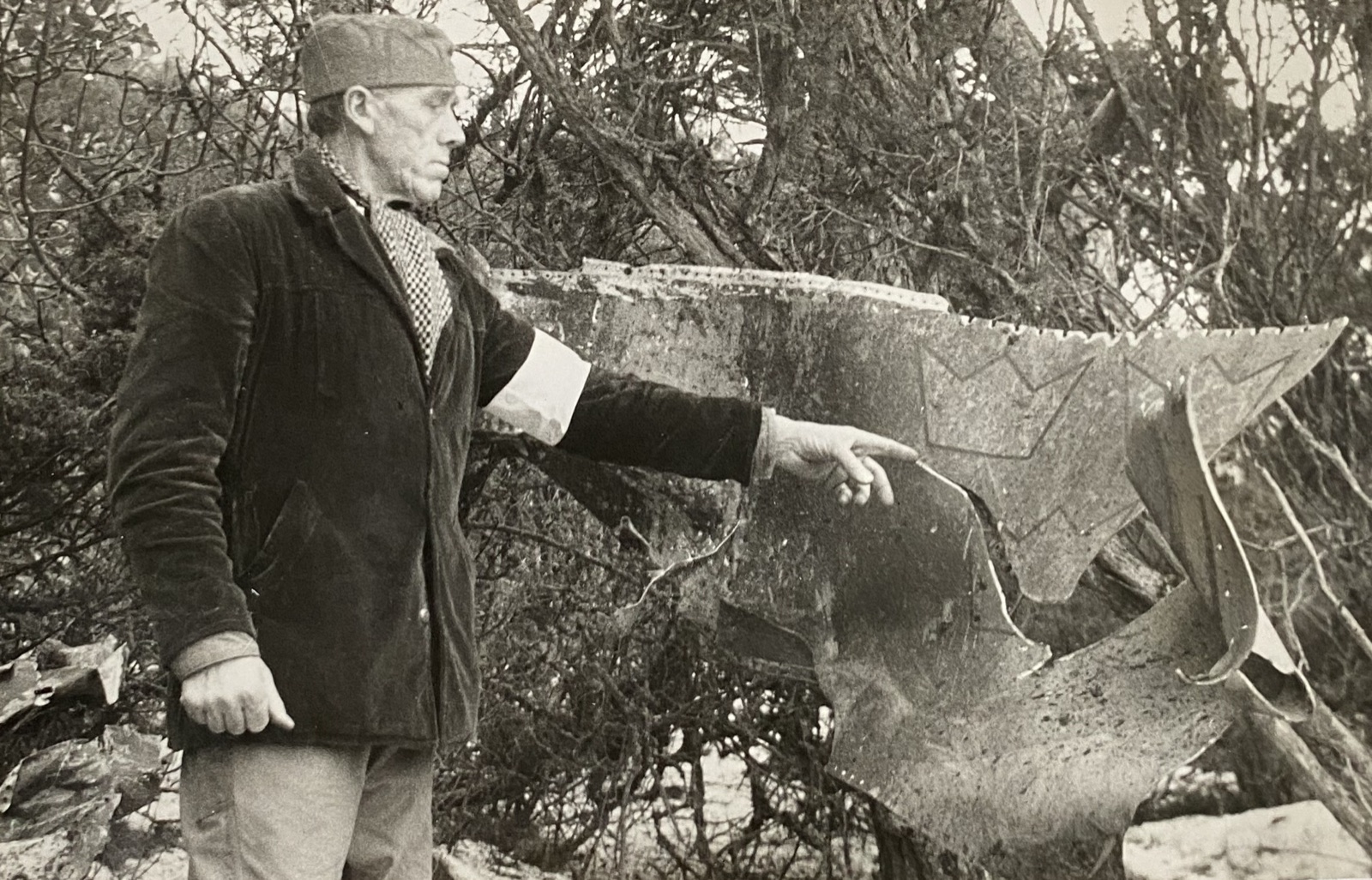
Witnesses describe the sound of the jets turning into thunderous double bangs as the pairs crash into the north side of Kullaberg. The sight that meets the first people at the crash site is hard to grasp and nightmarish. White ice on Skälderviken, white snow covering the mountain, white fog – and then a complete inferno of twisted metal, soot, fire, body parts, stinking yellow jet fuel and smoke covering the crash site.
All were killed.
Captain Sigurd Ahlqvist, 38
Second Lieutenant Ulf Armtoft, 26
Sergeant pilot Karl-Axel Persson, 23
Sergeant pilot Lennart Gustafsson, 23
The accident was to change the Swedish Air Force. At the time it was considered the fourth largest in the world, with acknowledged skilled pilots who trained in peacetime as if at war, with very narrow safety margins – all to be the best when it mattered. Four young airmen gave their lives one early March morning, but the new regulations, selection procedures and safety rules that followed went on to reduce losses markedly, so that many others could survive.
The Vampires’ flight path